


One season on a single yacht reportedly netted over $2 million after expenses, and that number reshaped what I thought possible for an enterprising life.
I started as a mechanic in Brooklyn, then took a $5,000 family-home loan to open a Sunoco station. From that corner, I built Atlantic Auto Group into roughly twenty dealerships in a decade.
My story tracks a simple idea: roll up your sleeves, learn every unit, and scale what works. I moved from fixing cars to running a multi-brand operation with nearly $2 billion in annual revenue.
Later, I founded Millennium Superyachts and flipped James Bond-named yachts while chartering them profitably. North Palm Beach became a base for Cars of Dreams, a private collection staged as a 1960s Brooklyn scene for charity.
In this piece I answer the question “how did john staluppi make his money” with clear steps I took, the timing choices I made, and the way I blended passion with disciplined business thinking.
Key Takeaways
- I began as a mechanic and scaled a single station into a large dealership network.
- Smart reinvestment and timing turned dealership revenue into diversified assets.
- Yachts became a profitable extension through charters and strategic flips.
- Palm Beach served as a platform for brand growth and charitable impact.
- Passion and discipline combined to create repeatable, value-driven ventures.
From Brooklyn mechanic to my first Sunoco station
My earliest worklife was spent under hoods and over jacks in a tight Brooklyn shop. That daily routine taught me patience, precision, and respect for a customer’s trust.
A $5,000 family-home loan that changed my life
My father, an electrician, put our home up for a $5,000 loan so I could buy a Sunoco station. That risk turned a bay job into a small business overnight.
Turning wrenches into a business mindset
Running the station forced me to watch margins, manage staff, and move cars through the bays without wasted minutes. I learned that cash flow beats sentiment. I even sold a 1962 Corvette to keep the operation growing and later bought it back for my museum collection.
- I met customers where they were—fix it right the first time.
- I tracked inventory and vendor relationships like a ledger.
- The station became a training ground for systems I would scale later.
Those early car years shaped the habits that built larger ventures and the Cars of Dreams idea that came much later.You can learn more about how-to-make-a-money-as-a-teenager
Winning early with Honda and building Atlantic Auto Group
I took a leap on an up-and-coming Japanese brand and it paid off fast. Starting with motorcycles, that first franchise gave me credibility and momentum to chase a car franchise next.
Why I bet on an up-and-coming Japanese brand
Risk with a clear edge—Honda was still earning attention, so I offered effort and space where others hesitated. That trust turned a small motorcycle lineup into a full car franchise and steady sales growth.
Scaling car dealerships across Long Island and beyond
On Long Island I built a repeatable playbook: tight inventory control, strong sales training, and a service culture that kept vehicles in the family.
Becoming one of the nation’s largest private car dealers
Within a decade Atlantic Auto Group grew to nearly twenty locations. We sold nine marques, hit about $2 billion in annual revenue, and led the nation as top Hyundai and Oldsmobile dealers at times.
- Focus: turn and gross per unit kept profits steady.
- People: recruiting and incentives made execution repeatable.
- Resilience: diversified marques stabilized earnings across cycles.
| Metric | Result | Impact |
|---|---|---|
| Locations | ~20 | Regional strength on Long Island |
| Annual Revenue | $2 billion | Scale enabled reinvestment |
| Marques | 9 | Market resilience |
“Make it easy to buy, faster to service, and earn the next sale before the current one closes.”
how did john staluppi make his money
I built a repeatable engine—tight operations that generated steady cash and gave me options. That focus on building a reliable core turned daily sales into investable capital.
The flywheel: dealerships, speed, and smart reinvestment
I ran car operations like a precision shop. Every car sale and service visit fed a predictable margin. Those systems let me scale and protect the business through cycles.
Turning passions—cars and boats—into profitable ventures
I used dealership cash to fund high-performance yachts. A well-engineered boat could earn charter days or fetch a premium on resale. One season of charters produced over $2 million net after expenses.You can learn more about how-much-money-does-disneyland-make-a-day
The way I worked was simple: optimize the core, place targeted bets where I had an edge, and measure results. My service culture from car operations flowed into marine projects and the Cars of Dreams idea, and each win funded the next. Over time that loop created returns that matched the risks and kept reinvestment moving forward.
North Palm Beach roots, Cars of Dreams, and a Brooklyn scene reborn
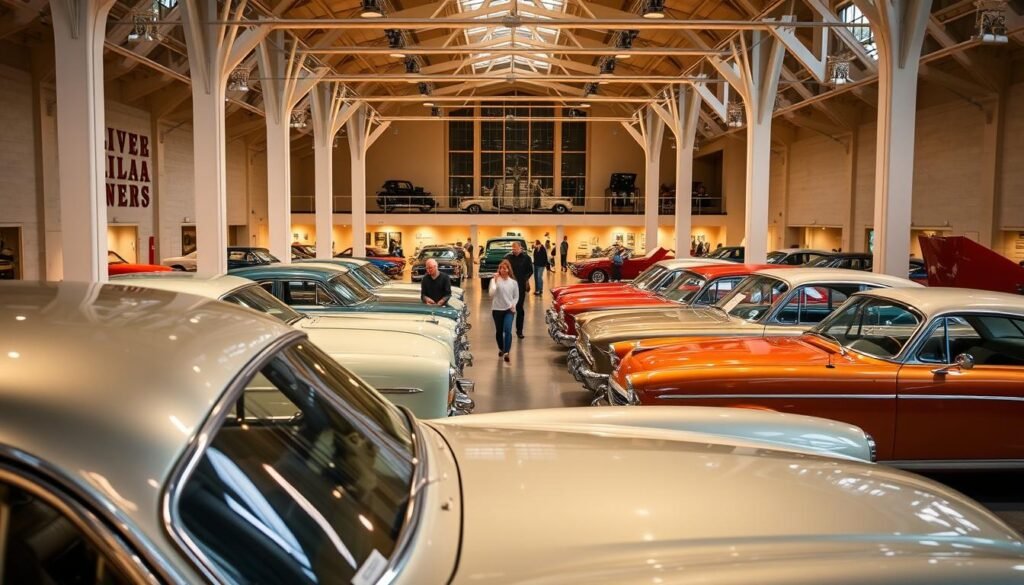
I planted deep roots in North Palm Beach and built a space meant to feel like the block where I grew up. The goal was simple: make visitors feel at home the moment they stepped in.
Building a museum that felt like home
The Cars of Dreams museum recreated a 1960s Brooklyn streetscape with a drive-in and a large merry-go-round. Lights, diner signs, and period details set the scene so each car told a story.
Opening only a few times a year for charity events
We opened the doors just three or four times annually. Those select openings became events that raised funds for Shop with a Cop, Hospice Foundation of America, and the American Heart Association.
- I designed the setting to make families and enthusiasts feel welcome.
- Sparse openings kept every event special and focused on impact.
- When the collection was later sold, I made sure cars found new stewards who would preserve their stories.
The project reflected how physical spaces can deepen connection, support the community, and keep a piece of home alive in palm beach. For me, it showed that cars can bridge generations and spark lasting memories. — john staluppi
Why speed matters: from dragsters to 30-knot ambitions
I’ve always had a love for speed—it shaped my life from the strip to the sea. Short runs taught me focus. Quick decisions built confidence.You can learn more about best-way-to-make-gta-online-money
In my teens I raced dragsters and won a Grand National in Tennessee. That victory proved engineering and discipline mattered more than bravado.
I bought an Ocean sportfisher that ran 30 knots when most boats did not. Early rides felt like a preview of bigger ambitions.
Not all runs ended well. I survived a flip and a fire and then stepped away from powerboat racing. Still, the quest for performance never left me.
- Precision under pressure: speed forces planning and testing.
- Measured risk: upgrades and team work keep platforms safe.
- Transferable DNA: the same drive applies to both cars and larger yachts.
“Speed, done right, is engineering meeting courage.”
That mindset —from drag strip to yacht deck—guided many choices afterward. It informed design, crew selection, and the bold bets that followed. — john staluppi
| Era | Platform | Lesson |
|---|---|---|
| Teens | Dragster | Engineering + discipline wins races |
| Early boating | 30-knot Ocean sportfisher | Performance demands testing |
| After accidents | Yachts | Scale performance with safety |
Octopussy and the Heesen wager: engineering a record-breaker
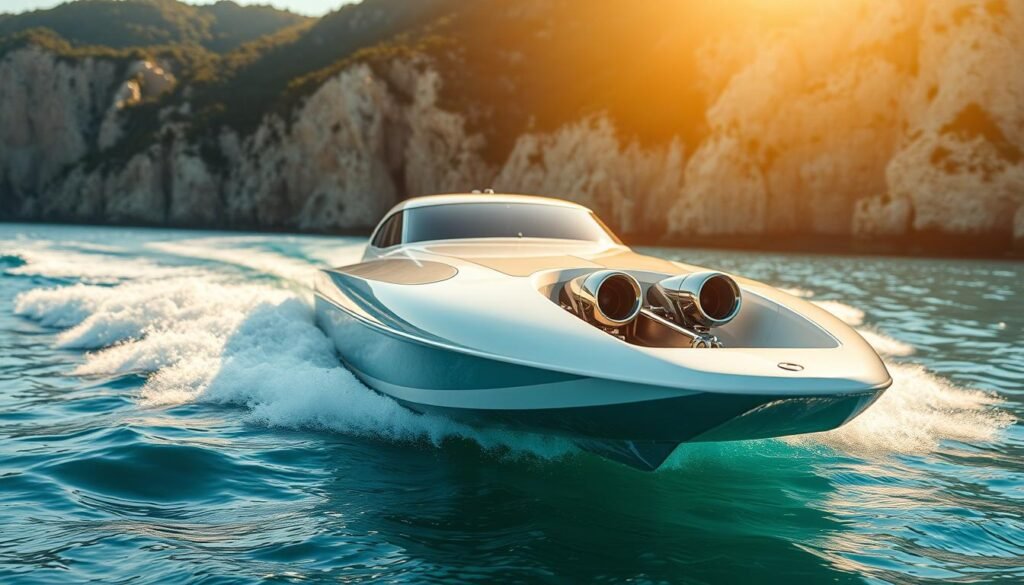
We wrote an outcome-driven contract before a single hull plate was cut. That set clear stakes and focused everyone from designer to builder on one measurable goal.
With Frank Mulder and Frans Heesen in the Netherlands, I commissioned Octopussy and tied payment to speed. The deal let me walk away under 50 knots. If the boat hit 51+ knots, Heesen earned a $200,000-per-knot bonus.You can learn more about how-to-make-money-as-a-teen
Cutting chines, raising stakes: hitting 53 knots
The first trial showed 50.5 knots. We then cut the aft chines to trim drag and change the running attitude.
The tweak worked. We hit 53 knots and validated the design, powertrain, and team under pressure.
Owning the “fastest yacht in the world” title
That 53-knot run earned Heesen a $400,000 bonus and put Octopussy atop the charts as the fastest in the world at the time.
It was more than bragging rights. The feat proved that targeted engineering and a results-based contract can convert ambition into value.
- Octopussy was built to be the fastest boat ever built in its class.
- Dock events, media, and curious owners magnified interest long before any sale.
- As a dealer at heart, I knew specs sell—speed moves price and demand.
“The right partners, the right contract, and the right data can turn ambition into certainty.”
Those times of iteration taught me that small engineering changes unlock big gains. The lesson carried from boats back to cars and future projects. — john staluppi
Moonraker, The World Is Not Enough, and commercializing my passion
A run of record-setting trials in Europe changed the way I thought about performance yachts.
Moonraker arrived in 1992, designed by Frank Mulder and built by Norship. We hit 61 knots and proved the Octopussy model could scale: bigger hull, higher speed, and clear advantage in the performance yacht world.
Partnering with Frank Mulder and building in the Netherlands
Working with Mulder and Dutch yards gave us design pedigree and consistent build quality. The Netherlands taught me to marry daring targets with repeatable processes.
From hobbyist to Millennium Superyachts founder
In 1998 I launched Millennium Superyachts in Florida to turn passion into a proper business. We formalized production, sales, and owner support so each launch mattered for resale and reputation.
When 70-knot dreams meet real-world limits
The World Is Not Enough aimed at 70 knots. In testing we saw instability above 65–66 knots and never exceeded 90% power. We respected the data, refined the setup, and kept the platform safe and impressive.
- Lesson: bold ambition must pair with repeatable control.
- Practice: I applied car-level discipline—walk the line and fix small faults early.
- Result: record-setting performance with practical ownership and fewer fire-drill moments.
“Build boats people want: thrilling to run, sensible to own.”
That commercial turn worked because each boat combined excitement with serviceability. Over time, customer conversations sharpened our specs and kept the momentum going.
— john staluppi
Bond names, brand power: Goldfinger to Spectre to Skyfall

I gave many of my yachts James Bond titles because a name can sell a promise before the lines are tied. Those names—Octopussy, Goldfinger, Moonraker, Casino Royale, Spectre, and even a planned Skyfall concept—carried instant excitement and recognition.
Why I name my yachts after James Bond films
Names spark dreams. A Bond title signals adventure and style, and people respond to that signal fast. On the dock, a recognizable name pulls attention, drives press, and fills the charter calendar.
Keeping excitement alive—and marketable
The way a name travels matters: dockside events, magazine spreads, and social chatter amplified bookings without a huge ad budget.
Cars taught me that model names shape value. On the water, the same logic turned awareness into inquiries and stronger resale offers.
“When Casino Royale arrived, the story sold itself — and the market answered.”
- I picked Bond names because they matched the spirit I wanted customers to feel.
- Each reveal became an event and kept palm beach and charter markets talking.
- It forced a standard: build something worthy of the name, or don’t use it.
Flipping, chartering, and timing the sale: making boats pay
A two-year rhythm became my secret for balancing build energy and market demand. I often kept a boat about two years to protect price and keep each project marketable.
Two-year cycles that keep me motivated
I liked the cadence because it kept designs fresh and the team focused. Selling after two years meant buyers saw a well-used, well-documented platform—not a project that needed work.
Freshness protects value. Service logs, refits, and turnkey condition let me ask for a fair sale rather than discounting to move inventory.
How one season of charter can net seven figures
Chartering plugged the gap between builds. With strong utilization, one season could net over $2 million after expenses, changing the math of ownership.
- Cadence: a two-year cycle kept boats desirable and supported resale expectations.
- Charter revenue: one year of bookings often covered major upkeep and produced real money.
- Turnkey focus: service records and ready condition defended price at sale.
- Timing: I tracked inquiries and market comps and treated each showing like an event to avoid rushed discounts.
“Names, stories, and documented experiences support both charter rates and resale bids.”
When it was time to sell, I presented a clean narrative, full records, and the right paperwork. That preparation moved buyers from curiosity to offer—sometimes at auction, sometimes in a private sale.
Lunch with a superyacht owner explains more about the interplay between charter, brand, and resale in my palm beach operations.
Classic cars, auctions, and giving back
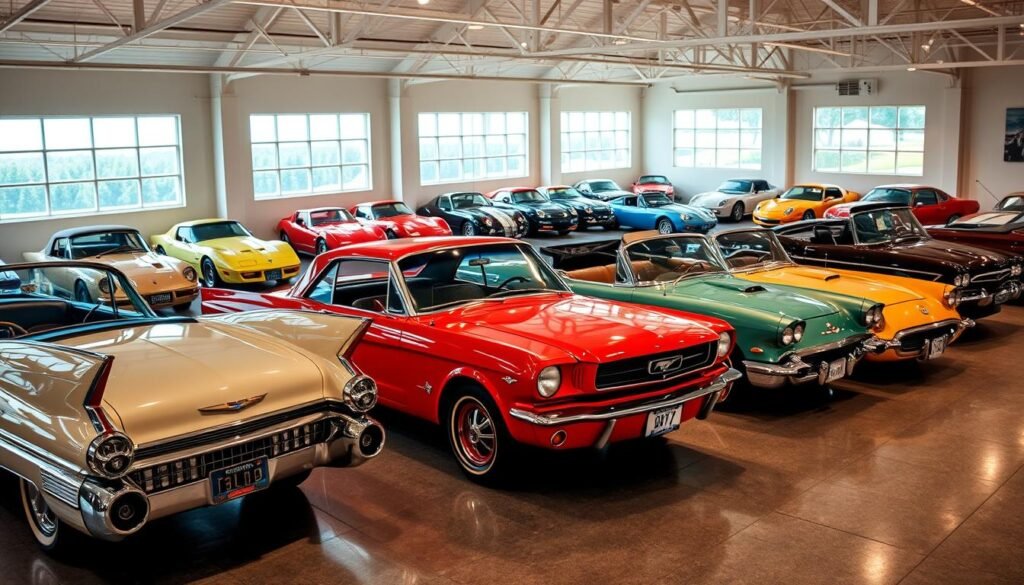
What began as a private passion for classic cars became a platform for collectors and charity. I built a car collection that honored design, engineering, and the stories that live behind every mile.
Cars of Dreams and the Barrett-Jackson chapter
I curated select pieces from Cars of Dreams and sent groups to Barrett-Jackson when timing matched demand. Auctions drew the right collector crowd and preserved each car’s future as a driven, loved machine.
Writing big checks for worthy causes
Charity was never an afterthought. Over the years I supported Make-A-Wish, the American Heart Association, and the National Kidney Registry.
One notable year I paid $2.1 million at a charity auction for the first 2020 Toyota Supra to benefit heart health and veterans. That moment showed how auctions can turn passion into purpose.
- Curated intent: classic cars as living history.
- Transparent sales: auctions reward honest representation.
- Philanthropy: events amplify impact and invite stewardship.
| Item | Purpose | Outcome |
|---|---|---|
| Cars of Dreams pieces | Showcase & auction | Found new collectors, preserved cars |
| Barrett-Jackson sales | Reach serious collector market | Strong bids and public interest |
| Charity purchases | Fund AHA & veterans | Raised millions and awareness |
“Philanthropy keeps me grounded; business is a platform to help, not just a scoreboard.”
What the car business taught me about boats
I brought the service-lane habits I learned on the lot straight into yacht production.
Decades selling cars taught me that systems win. If a customer can’t service something easily, the job isn’t finished.
Customer-first systems: plumbing, AC, and serviceability
I treated a build like a dealership service lane. Plumbing and AC were routed to vent and drain correctly. Components were placed so techs could reach them without ripping half the interior apart.
I stayed hands-on, splitting time between Atlantic Auto Group and yachts. I often worked 14-hour days, six days a week, checking details and asking techs for feedback.
- We specified access panels, labeled runs, and shortened repair cycles.
- The HVAC, plumbing, and electrical systems were treated as critical, not afterthoughts.
- That discipline cost a bit more in building upfront but protected value at resale.
“Design for uptime: fewer surprises for owners, fewer callbacks, better reviews.”
| Practice | Benefit | Result |
|---|---|---|
| Accessible runs & labels | Faster repairs | Higher owner satisfaction |
| Service-lane mindset | Anticipate failures | Fewer callbacks |
| Hands-on oversight | Iterative fixes | Stronger resale |
These same rules shaped cars at the lot and later the yachts I named for films. It’s good business: owners stay loyal and a well-kept boat sells faster in palm beach or at sea.
— john staluppi
Conclusion
A garage lesson—fix it, document it, and repeat—became the rule that shaped every sale and season.
I went from a station backed by a $5,000 family-home loan to running Atlantic Auto Group with nearly $2 billion in revenue. Along the way I launched Millennium Superyachts, chased speed records with Octopussy and Moonraker, and turned charters into meaningful returns.
Cars of Dreams in North Palm Beach was both a museum and a charity platform. We opened a few times a year, held events, and auctioned pieces to support causes. One notable moment was the $2.1 million charity purchase that helped heart health and veterans.
The lesson is simple: pick your platform, master the basics, and build the next brick before you need it. Do that, and one project at a time, people will turn dreams into a life that gives back.
FAQ
Who was the Brooklyn mechanic who started with a Sunoco station?
I began as a hands-on mechanic from Long Island and moved into retail gasoline by opening my first Sunoco station. That family-loan of ,000 helped me transition from wrenching to owning a small business and set the tone for later dealership growth.
Why did I bet early on Honda for dealership expansion?
I saw value in an up-and-coming Japanese brand when others hesitated. Honda’s reliability and rising demand gave me a chance to scale quickly, build inventory turnover, and expand Atlantic Auto Group across Long Island and neighboring markets.
How did I scale to become one of the nation’s largest private car dealers?
I focused on fast inventory movement, aggressive reinvestment of profits, and replicable systems for sales and service. Buying smart, opening new dealerships, and keeping operational costs tight let me grow size and market reach.
What is the core of my business flywheel—dealerships, speed, and reinvestment?
The flywheel was simple: sell cars quickly, turn profits, and put those profits into more locations and inventory. Speed in sales plus disciplined reinvestment compounded returns and funded new ventures like boats and collections.
How did cars and boats become linked as profitable ventures for me?
My love of vehicles naturally extended to yachts. I applied the dealer playbook—market awareness, timing, and flipping—to build, charter, and sell boats, turning passion into repeatable cash-generating cycles.
Why did I build a Cars of Dreams museum in North Palm Beach?
I wanted a home for rare classics that reflected my Brooklyn roots and automotive journey. The museum doubled as a personal collection space and a venue for exclusive charity events that open only a few times a year.
How do charity events fit into the museum and collection strategy?
The museum’s limited public openings create demand and preserve the collection’s exclusivity. Hosting charity events lets me support causes like the American Heart Association and Make-A-Wish while leveraging the collection for fundraising.
What drove me to pursue high-speed yachts like Octopussy and later Heesen projects?
I chase performance. Early racing and interest in speed led me to commission fast yachts. Collaborations with skilled yards pushed engineering boundaries and aimed for record speeds, blending thrill with marketing appeal.
How did I reach the “fastest yacht” title with the Octopussy wagers?
Strategic design changes—like modifying hull chines—and pushing engine and propulsion limits helped reach top speeds. Those efforts created headlines and proved the business case for high-performance builds.
Why name yachts after James Bond films like Octopussy or Moonraker?
Bond film names carry instant recognition and drama. I use those titles to generate excitement, build brand power, and keep yachts marketable for charters and resale.
How did I move from hobbyist to founding Millennium Superyachts with Dutch builders?
Partnering with experienced Dutch firms and designers like Frank Mulder helped professionalize yacht construction. That alliance turned passion projects into commercially viable superyachts built for performance and resale.
What financial model do I use for boats—flipping, chartering, or long-term ownership?
I typically follow two-year cycles: build or buy, charter to offset costs, then sell at peak demand. A strong charter season can significantly boost returns and make a single-season payoff possible.
How do classic car auctions factor into my philanthropic work?
I’ve used auctions like Barrett-Jackson to monetize select cars from Cars of Dreams and direct proceeds to causes. Selling high-value classics provides cash for donations and keeps the collection curated and relevant.
What lessons from the car business apply to boat building and service?
Customer-first systems translate across both industries. I emphasize serviceability—plumbing, AC access, and maintainable systems—so vessels and vehicles hold value and reduce long-term operating costs.
How often do I open the museum or host major events each year?
I keep public openings rare to preserve mystique, typically staging a few marquee charity events annually. Those limited dates attract collectors and donors and make each occasion special.
Where is the Cars of Dreams collection and how can people see it or bids at auctions?
The collection is based in North Palm Beach, and viewing is usually by invitation or during charity events. Select cars occasionally appear at major auctions like Barrett-Jackson for public bidding and fundraising.