

Surprising fact: the company turned profitable in 2023 after nearly 100 Falcon launches and rapid Starlink growth.
I’ll give a plain-English breakdown of the business today and why it matters for tech, defense, and telecom watchers. Launches build the brand, while Starlink has become the long-term cash engine that drives revenue.
Reusability and vertical integration cut cost and lift margins. A typical Falcon 9 price sits near $62–67 million, while marginal cost for a reused flight can be close to $15 million.
That gap is the core of the business model: repeatable launches, cheaper flights, and scale in orbit via satellites and internet services. The firm still raises multi-billion equity rounds to fund Starship and keep cash flowing during heavy investment years.
In the next sections I’ll map the flywheel, key contracts, Starlink’s role, pricing mechanics, and what Starship could mean for future markets.
Key Takeaways
- Profitability began in 2023 as launches and Starlink scaled.
- Launch services build reputation; Starlink drives most revenue.
- Reusability lowers marginal cost and widens margins.
- Private funding supports long-term projects like Starship.
- Market demand from governments and companies keeps launches steady.
Why I’m Writing This Ultimate Guide on SpaceX’s Money Machine
This guide exists to separate technical spectacle from the cashflow and reinvestment cycles that matter to decision-makers. I want readers to leave with a clear, practical frame for evaluating launches, satellites, and service economics.
I started following Elon Musk’s work in 2002 and tracked the company through early test failures to milestone firsts: launching, orbiting, recovering spacecraft, and flying crew to the ISS. After heavy R&D losses in 2022, the business reached profitability in 2023 as Falcon flights and Starlink scaled.
I wrote this to unpack the business model plainly. I translate rocket milestones into margin drivers and show where recurring revenue appears. My aim is to help people—investors, operators, and policy staff—use realistic timelines and numbers when they assess risk and opportunity.
- I break hype from cash flows.
- I explain why reusability changes unit economics.
- I flag timeline risks and where years of work show returns.
SpaceX at a Glance: What the Company Does Today
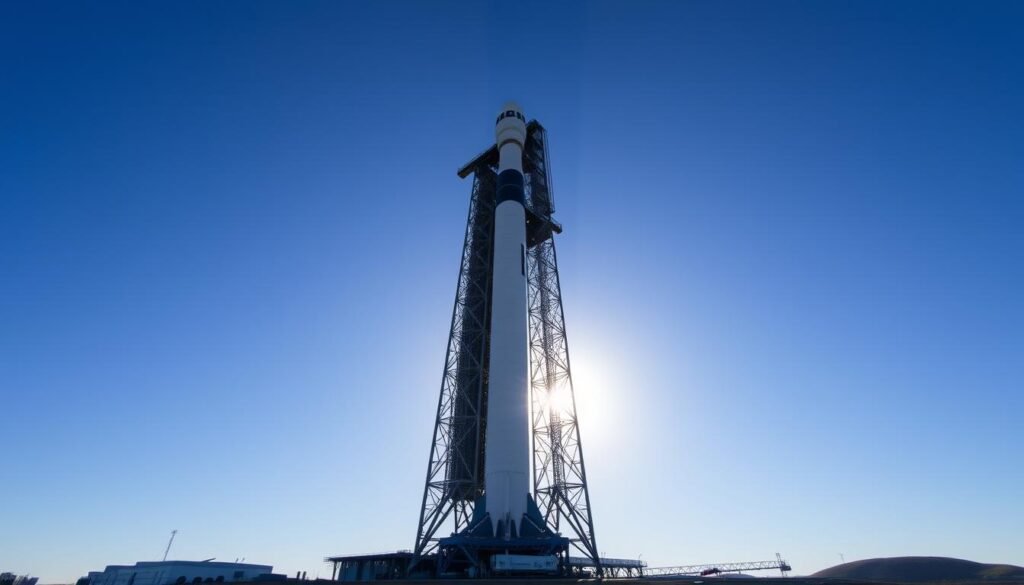
I’ll walk you through the active systems that define the company today.
Here’s a concise tour of the firm’s active hardware and missions. Falcon 9 and falcon heavy now fly every few days, with boosters routinely landing for reuse. That cadence drives a reliable process for customers and reduces turnaround time between launches.You can learn more how-to-make-money-in-college
Rockets and crew systems
The spacex falcon family handles most commercial and government payloads. Dragon carries cargo and crew to the international space station, and it supports private astronaut missions.
Satellites, market share, and Starship
Starlink is a large in-orbit product with thousands of satellites and over two million users by December 2023. In 2023 the company delivered roughly 80% of the world’s spacecraft mass to orbit and 92% of U.S. launches.
Starship aims to lift about 150 tons per flight. If it reaches operational maturity, it could reshape kilograms-per-flight economics and change price curves for heavy payloads.
“Routine booster recovery has cut time between flights and improved reliability.”
- Customers range from NASA and the Space Force to telcos and imagery firms.
- Constellation satellite deployments differ from bespoke, high-value government missions.
- That launch cadence and kilograms-to-orbit lead underpin the firm’s dominant market share.
For a compact SpaceX overview and timelines, that page offers useful background on programs and contracts.
Inside SpaceX’s Business Model: The Cost Engine Behind the Revenue
I map the cost levers that changed rockets from one-off expenses into scalable services.
Reusability and dollars per kilogram: why launch costs collapsed
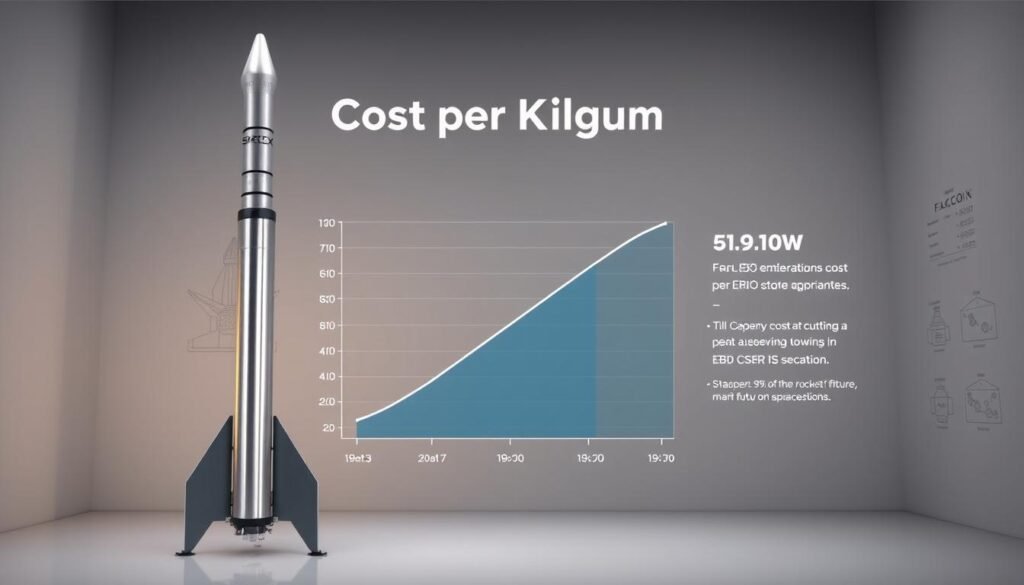
I focus on reuse because it is the largest single cost lever. Musk cited a marginal launch cost near $15 million for a partially reused Falcon 9 while customers pay about $62–67 million.
Recovering boosters (≈60% of cost) and fairings (≈10%) shifts most recurring expense to the upper stage and operations. Refurbishment adds roughly $1 million per flight, cutting dollars per kilogram sharply.
Vertical integration: building in-house to move fast and save cash
About 85% of the company’s manufacturing is internal. That reduces supplier markups and speeds design iterations.You can learn more how-much-money-does-elon-musk-make-a-day
In-house builds also let teams swap parts fast and lower lead times, which tightens unit economics.
Musk’s “Idiot Index”: first-principles pricing discipline
The Idiot Index pushes engineers to question expensive parts that cost far more than raw materials. This cultural rule trims unnecessary cost and enforces simplicity.
Launch cadence and economies of scale: flying every few days
Higher cadence spreads fixed costs and creates learning effects. Flying often lowers labor time per launch and cuts the dollars-per-kilogram curve.
| Cost Component | Approx. Share | Impact on Marginal Cost |
|---|---|---|
| Booster | 60% | Reuse cuts recurring cost dramatically |
| Fairing | 10% | Recovery lowers replacement spend |
| Upper stage & operations | 30% | Remains main marginal expense |
“Low marginal cost versus market price gives durable pricing power.”
How Does SpaceX Make Money: Core Revenue Streams Explained
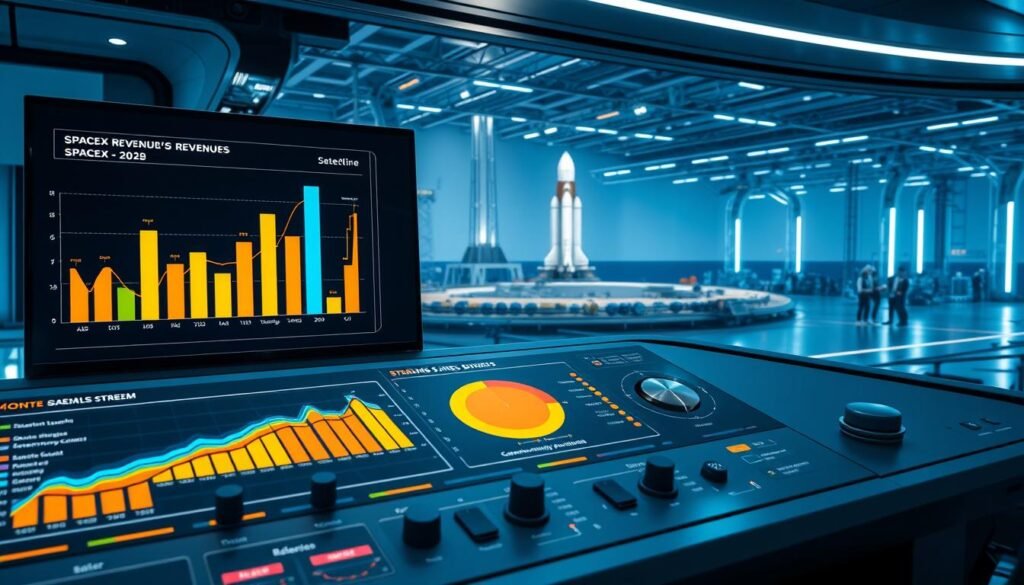
I’ll outline the core businesses that generate cash and fund big bets like Starship.
Launch services for government and commercial customers
I map launch services first because they set pricing and reputation. A Falcon 9 flight lists near $62–67M, and government contracts give steady bookings.
High-value contracts—NASA crew buys near $5B historically, and many companies buy dedicated lifts—create predictable short-term revenue.
Starlink internet services for consumers, enterprises, and mobility
Starlink pairs hardware and monthly plans. By December 2023 it passed two million users and is expected to drive most of 2024’s projected $15B revenue.You can learn more how-did-jerry-jones-make-his-money
Human spaceflight, tourism, and private missions
Private seats sell at premiums: Axiom seats near $55M, Inspiration4 cost under $200M for a private mission. These deals boost revenue per mission and brand cachet.
Defense offerings: national security payloads and Starshield
Defense contracts and Starshield add secure communications and classified launches. The DoD and other government buyers pay for reliability and tailored service.
- Revenue mix: launches, Starlink subscriptions, private flights, defense contracts.
- Rideshare fills capacity while the company builds its own satellites.
- These streams together fund R&D and Starship development.
| Stream | Typical Margin | 2024 Role |
|---|---|---|
| Launch services | Medium–High | Cash and bookings |
| Starlink | High (recurring) | Primary revenue driver |
| Human missions & defense | Premium | Strategic contracts |
Government and Defense Contracts: NASA, DoD, Space Force, and NRO
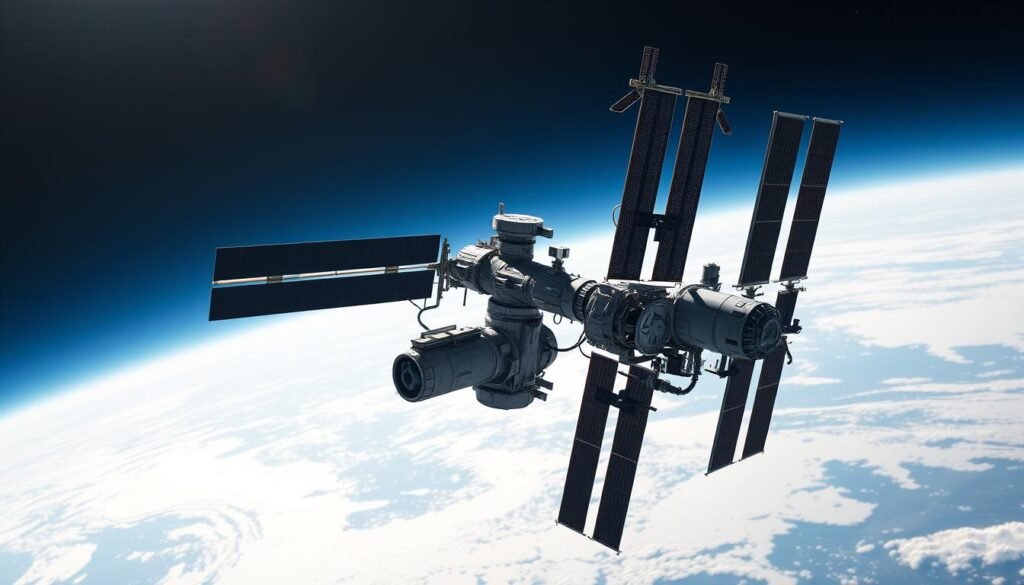
Contracts with federal agencies anchor my view of the company’s revenue mix. NASA pays nearly $5B for crew services and awarded about $4B to develop lunar landers under the Artemis program.
ISS cargo, astronauts, and Artemis programs
I support ISS cargo and astronaut missions under long-running programs that combine routine supply with crew transport. Those agreements provide stable receipts and high visibility for the company.
Artemis contracts for Starship lunar landers are large and strategic. They fund R&D and shift risk from private to public budgets, letting new capabilities mature faster.You can learn more how-does-venmo-make-money
Classified launches and national security payloads
Defense customers—Space Force, NRO, and DoD—pay higher prices for classified missions. Added security, special facilities, and tight timelines raise cost and margins per launch.
Starshield and Starlink add recurring defense revenue through secure communications and battlefield links. That service income complements one-off launch payments.
“Government buyers value reliability, orbit precision, and rapid manifest execution.”
- Government programs de-risk technology that later supports commercial services.
- Mission windows and security protocols dictate time and cadence.
- These contracts deliver budget resilience and strategic prestige for the company.
| Agency | Typical Value | Primary Benefit |
|---|---|---|
| NASA (crew & cargo) | ~$5B (crew services) | Stable revenue, ISS support, astronaut transport |
| Artemis lunar lander | ~$4B award | Funded R&D, lunar capability development |
| DoD / Space Force / NRO | Variable; premium for classified | High margins, secure payloads, strict assurance |
| Starshield / Starlink (defense) | Recurring contracts | Secure comms, operational support (e.g., Ukraine) |
Commercial Launches: Satellites, Transporter Rideshare, and Pricing Power
Telcos and constellation builders book flights for capacity and timing, not just lift — that choice shapes price power across the market.
I explain why major customers pick Falcon missions for GEO transfer and LEO deployments. Large firms like Intelsat, OneWeb, Kuiper, and ViaSat buy dedicated lifts when orbit specificity and timing matter. Falcon rockets offer high payload capacity and frequent windows, which lowers schedule risk for those satellite programs.
Transporter rideshare economics
Transporter starts near $1M for ~200 kg to SSO, with about $5,000 per additional kilogram. A 300 kg payload can cost roughly $1.8M on Transporter versus about $7.5M on Rocket Lab’s Electron. That gap shows clear per-kilogram advantages for many small satellite teams.
Rideshares can carry 100+ payloads and more than a dozen flights are booked into 2027. They fill manifests while funding continued satellite deployments and give smaller customers access to reliable launches.
- Tradeoffs: rideshare equals lower cost but less orbital specificity.
- Dedicated mission: higher price, tailored delivery to exact orbit.
- Why companies still book: capacity, reliability, and scale win over rivalry.
| Service | Typical Price | Use Case |
|---|---|---|
| Falcon 9 dedicated | ~$62M | Large satellites, GEO transfer |
| Transporter rideshare | ~$1M (200 kg) | Small satellites, constellations |
| Small launcher (example) | ~$7.5M (300 kg) | Dedicated small payloads |
“High cadence and reuse turn lower marginal cost into durable pricing power.”
Starlink: The Emerging Cash Cow of SpaceX
The consumer and enterprise sides of Starlink now form the clearest path to recurring cash for the company.
Consumer broadband: kits launched around $599 with monthly plans near $110. By December 2023 Starlink passed 2 million users and began to approach break-even. It often beats legacy GEO internet on latency and responsiveness.You can learn more how-to-make-money-as-a-teen
Enterprise, aviation, maritime, and direct-to-cell
Premium hardware serves aviation and maritime customers. Enterprise maritime setups can cost ~ $10,000 for equipment and $5,000/month for service. Mobility tiers extend ARPU beyond residential.
Scale effects, capacity, and revenue targets
I track churn, capacity utilization, and user growth as the core drivers of recurring revenue. Frequent launches let the constellation refresh quickly and expand coverage and orbit capacity.
“Starlink already out-earned launches in 2023 and is set to drive the majority of projected 2024 revenue.”
- Direct-to-cell expands the addressable market without new user terminals.
- Fair-use rules and upgrades manage peak speed constraints.
- At scale, pricing flexibility and subscriptions turn satellites into sustained cash.
| Metric | Example | Role |
|---|---|---|
| Users | >2M (Dec 2023) | Recurring base |
| Consumer price | $599 kit / $110 month | ARPU driver |
| Enterprise | $10k hw / $5k month | High-margin service |
Funding the Future: Private Investment, Equity Rounds, and Cash Flow
I’ll outline the capital steps that let the company fund long-term spacecraft programs while still running daily launches.
I explain why the firm stays private: speed, control, and tolerance for multi-year R&D cash burn. Private ownership lets leadership steer long programs without quarterly market pressure.
Recent rounds matter. The company raised billions, including about $2B in 2022, and rounds in 2023 valued it above $130B. Those injections underwrote heavy development.
Losses near $5.2B in 2022 tied to R&D and capex for Starlink and Starship. Starship development may reach $10B, so launch and Starlink revenue now bankroll testing and tooling.
“Revenue from launches and subscriptions has shifted the company from deep losses to profitability in 2023.”
- I derisk major work with government and commercial contracts, then scale via production.
- Customers and booked manifests effectively subsidize constellation growth.
- Future liquidity options, like tender offers, can recycle capital without an IPO.
| Round | Year | Amount | Primary Use |
|---|---|---|---|
| Private equity | 2022 | $2B | Starship & Starlink capex |
| Valuation round | 2023 | — | Scale manufacturing, network build |
| Operational cash | 2023 | Revenue inflows | Testing, pads, satellite production |
For a deeper timeline of these raises and valuation moves, see my financial journey.
Competitors and Market Position: ULA, Rocket Lab, and Others
I compare SpaceX’s edge to peers by looking at reuse, cadence, and mission focus. My aim is to show why that edge matters for customers, governments, and the broader space business.
Why reusability and cadence keep prices unmatched
Reusable boosters and a fast flight tempo cut marginal costs and lower the effective price per kilogram. That gap is why falcon rockets dominate routine LEO work.
Years of frequent flights also build reliability, which insurers and large customers value. SpaceX delivered ~80% of global spacecraft mass to orbit in 2023 and 92% of U.S. launches—numbers that matter in procurement.
How rivals chase LEO and deep-space niches
United Launch Alliance’s Vulcan Centaur targets higher orbits and deep-space roles with a non-reusable design. That approach suits certain government contracts, but it lags on LEO costs and cadence.
Rocket Lab owns the small-launch market with Electron and is building Neutron, a reusable booster aimed at closing that economics gap. Rocket Lab also won a $515M SDA satellite bus contract, showing both companies build spacecraft services now.
“Rivals find profitable niches where tailored missions, integration, and specialized manufacturing beat pure scale.”
- Manufacturing speed and process shape margins and throughput.
- Government buys often favor deep-space capability over low price.
- Others remain viable by serving niche missions and premium integration.
What’s Next: Starship Economics and New Revenue Horizons
A 150-ton lift changes not just price per kilogram but how companies design missions and integrate payloads.
I start with the numbers. Elon Musk has suggested a marginal cost near $10M per Starship flight, though early price will likely run higher to recover an estimated $10B development bill.
Starship is designed for ~150 tons to orbit and full reuse. If routine reuse arrives, the gap between marginal cost and market price could create new business models fast.
Marginal cost vs. price: payloads at 150 tons to orbit
“A single super-heavy launch could replace dozens of Falcon flights for large constellations.”
- Lower marginal cost enables mass satellites deployment and cheaper integration.
- Big payloads let teams co-manifest larger, heavier modules for stations and factories.
- Initial prices will include development recoupment; true price falls with cadence.
New markets: space stations, manufacturing, and point-to-point
Potential revenue streams include commercial space stations, orbital manufacturing, lunar logistics, and premium point-to-point spaceflight for people.
| Market | Role | Impact |
|---|---|---|
| Constellation deployment | Mass launches | Lower unit launch price |
| Orbital manufacturing | Heavy payload transfer | New product classes |
| Point-to-point | Earth transport | Premium airline substitute |
I temper optimism with realism: testing and scale-up will take years. Program financing will likely bridge testing via existing launch revenue and Starlink subscriptions until full operations arrive.
Conclusion
I close by tracing the engines of the company’s revenue and the work still ahead. The core business model is simple: reusable rockets, vertical integration, and a high-cadence launch engine that drives lower unit cost and wider margins.
Today income comes from launches, an expanding internet service, human flights for astronauts, and defense contracts. Customers pick reliability, capacity, and speed to deploy.
Starship will need months of testing and iteration before it reshapes economics. Government programs and commercial demand provide resilience while services scale.
Watch the next quarters — turning engineering milestones into durable revenue is the next phase, and it will decide whether capability converts to sustained cash.
FAQ
How does SpaceX earn its revenue?
I focus on several main streams: commercial and government launch contracts using Falcon 9 and Falcon Heavy, recurring subscriptions from Starlink broadband, crew and cargo missions to the International Space Station, plus defense and classified launches. I also consider ancillary services like rideshare launches, satellite deployment, and hardware sales such as Dragon spacecraft and Starlink terminals.
Why am I writing this guide on the company’s revenue model?
I wrote it to explain the mix of launches, satellites, human spaceflight, and consumer internet that funds long-term projects. My goal is to show how pricing discipline, reusability, and vertical integration let the company convert launches into steady cash and bankroll ambitious programs like Starship.
What does the company do today?
I summarize current offerings: Falcon 9 and Falcon Heavy handle most orbital missions; Dragon ferries crew and cargo to the International Space Station; Starship is in development for heavy cargo and crewed deep-space flights; and Starlink builds a global broadband constellation for retail, enterprise, aviation, and maritime customers.
How do Falcon rockets and Dragon fit into the lineup?
I view Falcon 9 as the workhorse for LEO and GTO payloads; Falcon Heavy supports larger and higher-energy missions; Dragon provides crew and cargo services to the International Space Station and private astronauts. Starship aims to expand capacity and cut marginal launch costs dramatically.
How has reusability changed launch economics?
I note that recovering and reusing boosters lowers cost per flight by spreading manufacturing expense across many missions. That collapse in marginal cost allows more competitive pricing per kilogram to orbit and improves margins on high-cadence launch schedules.
Why is vertical integration important?
I emphasize that building engines, avionics, and structures in-house shortens development cycles and reduces supplier margins. Vertical control helps the company iterate faster, fix issues on its own timeline, and manage manufacturing costs more tightly.
What is Musk’s pricing discipline and the “idiot index”?
I explain that founder-driven cost scrutiny forces teams to justify spending and aim for simple, durable designs. The so-called “idiot index” is internal pressure to avoid wasteful features and keep prices low while boosting reliability.
How does launch cadence create scale advantages?
I point out that frequent launches spread fixed costs, increase manufacturing throughput, and improve operational learning. Higher cadence also attracts customers who value predictable schedules and lower per-kilogram pricing.
What are the core revenue streams in detail?
I break them into: paid launch services for commercial and government payloads, Starlink subscription and hardware sales, human spaceflight and private missions, and defense contracts including national security launches and related services.
How do NASA and other agencies pay for ISS missions?
I explain that NASA awards contracts for cargo and crew rotation to certified providers. Those agreements typically cover mission planning, spacecraft use, and launch services. The company earns milestone payments and per-mission fees tied to performance.
What about defense and classified missions?
I note that defense customers pay premium rates for higher assurance, national security payloads, and tailored mission profiles. Classified missions often come with stricter requirements and higher margins due to added complexity and oversight.
How do commercial satellite launches and rideshare pricing work?
I describe that large telecoms and constellation operators buy dedicated Falcon launches, while smaller customers use Transporter rideshare flights priced per kilogram. Rideshare spreads launch costs across many customers, creating competitive unit pricing for small satellites.
Why is Starlink considered an emerging cash cow?
I argue that Starlink offers recurring monthly revenue from consumer and enterprise plans, plus hardware sales for terminals. As the constellation scales, average revenue per user and ARPU improvements can push the service toward profitability and steady cash flow.
How do enterprise, aviation, and maritime customers differ from consumers?
I explain that enterprise and mobility clients pay higher rates for guaranteed performance and specialized terminals. Those contracts often include service-level agreements, installation, and integration fees, boosting revenue per connection compared with retail subscriptions.
How is the company funding Starship and long-term growth?
I outline a mixed approach: private equity rounds, reinvested launch and Starlink revenue, and strategic partnerships. Staying private lets management pursue long horizons without public market pressure while tapping large funding rounds when needed.
Why remain a private company?
I say staying private preserves strategic flexibility, shields long-term investments from quarterly scrutiny, and allows concentrated control over capital allocation—important when funding multi-decade projects like Starship and lunar programs.
Who are the main competitors and how do they compare?
I list rivals like United Launch Alliance, Rocket Lab, Arianespace, and Blue Origin. I point out that reusability, launch cadence, and integrated manufacturing provide pricing and schedule advantages over many rivals, keeping the company competitive in LEO markets.
What economic impact could Starship have?
I describe that Starship’s high payload capacity and reusability could cut marginal cost per kilogram dramatically, enable new markets such as large space stations, in-orbit manufacturing, and point-to-point travel, and unlock revenue streams currently out of reach.
How do per-kilogram prices affect customer decisions?
I explain that lower cost per kilogram makes larger, more ambitious missions viable. Operators of constellations, scientific payloads, and commercial stations can design with bigger mass margins or use fewer launches, changing mission economics.
What are typical prices for launches and payloads?
I avoid fixed numbers since contracts vary by mission complexity, orbit, and customer needs. In general, dedicated Falcon launches command higher total fees while rideshare options offer lower per-kilogram rates for small satellites.
How do manufacturing and operational costs influence profit?
I state that controlling production costs, recovering hardware through reuse, and improving turnaround time all increase margin. The company aims to lower marginal cost each flight while scaling production to amortize fixed expenses.
How long does it take to build and launch a typical mission?
I say timelines vary widely: a simple rideshare campaign might take months for integration, whereas bespoke government or deep-space missions need longer planning, testing, and regulatory approvals. Rapid cadence on routine flights shortens the overall cycle.