
Surprising fact: industry estimates put total startup range at roughly $80,000 to $400,000+, with franchises and major build-outs climbing far higher.
I’m setting expectations up front because I’ve seen plans crash when budgets were too small. I’ll walk through why that range is wide and what drives the numbers: model choice, build-out scope, equipment quality, and location.
My goal is practical: I want a phased plan that turns those figures into milestones. That helps me pace spending, forecast customers and early sales, and size initial inventory and staffing so expenses match real demand.
Bottom line: the initial investment is only part of the story. I’ll show how prime cost discipline and reserves help a new business reach break-even in a 12–24 month window.
Key Takeaways
- Expect a wide range: roughly $80,000–$400,000+ based on model and location.
- Build-out, equipment, and permits drive most early costs.
- A phased plan reduces risk and creates spending checkpoints.
- Forecasting customers helps align orders and staffing with demand.
- Strong cost controls and reserves push toward break-even in 12–24 months.
How I Scope the Real Startup Costs and Build a Coffee Shop Budget
Before I quote numbers, I map costs to a clear concept so the budget reflects real priorities.
Total range at a glance
Range: $80,000–$400,000+ depending on model and finish level. Carts often start near $60,000, sit-down concepts $80K–$300K, and franchises can exceed $300K.
Choosing the right model
I compare kiosk/cart, sit-down café, drive‑thru, and franchise paths. Each changes timeline, permitting, and build-out needs.
- Minor reno: $10K–$30K; small new build: ~$130K–$325K.
- Interior design: $85–$500 per sq ft; rent in busy spots: $2K–$10K monthly.
- Security deposits often equal 1–3 months’ rent.
My budget framework
I split fixed costs (lease, insurance, base pay) from variable costs (inventory, hourly labor, utilities). I add a contingency of 10%–15% and an emergency fund covering 3–6 months of operating expenses.
“Validate build-out, equipment, rent, and initial inventory early — they drive most variance.”
Location, Lease, and Build‑Out: Where Most Dollars Go Early
Location choices shape the single biggest chunk of early expenses. I target spots that balance visibility with rent, using $2,000–$10,000 per month as a realistic range for busy corridors.
I’ll plan for a security deposit equal to 1–3 months’ rent and hunt for tenant improvement allowances or free rent to lower up‑front cost.
Rent, deposits, and negotiating concessions in U.S. markets
I prefer second‑generation food spaces when possible. They can cut plumbing and mechanical work and trim hidden build costs.
Document utilities early — confirm power, water, and venting so change orders don’t blow the timeline.
Renovation vs. new build
A light renovation typically runs $10,000–$30,000. A full new build under 1,000 sq ft often lands between $130,000 and $325,000.
I compare those numbers and pick the path that fits my investment and launch timetable in months.
Design, interior per square foot, and controlling spend
Interior design ranges from $85–$500 per sq ft. I set a per‑square‑foot cap, choose durable finishes, and phase nonessential detail until revenue stabilizes.
“Favor function first: durable finishes and smart layout save both time and costs.”
Signage, branding, and exterior visibility
I budget signage at $1,000–$8,000 and allow $50–$200 for sign permits. Clean, visible exterior branding—window graphics, awnings, lighting—works better than flashy overspend.
| Item | Typical Range | Why it matters |
|---|---|---|
| Monthly rent | $2,000 – $10,000 | Sets fixed monthly burn and influences foot traffic |
| Renovation | $10,000 – $30,000 | Quick open, lower upfront cost |
| New build (sub‑1,000 sq ft) | $130,000 – $325,000 | Full custom layout; longer timeline |
| Interior design | $85 – $500 / sq ft | Appearance and durability affect long‑term maintenance |
Next step: if you want a deeper overview of initial capital and timelines, my recommended reference is this startup cafe cost guide.
Equipment I Actually Need on Day One (and What I Can Delay)
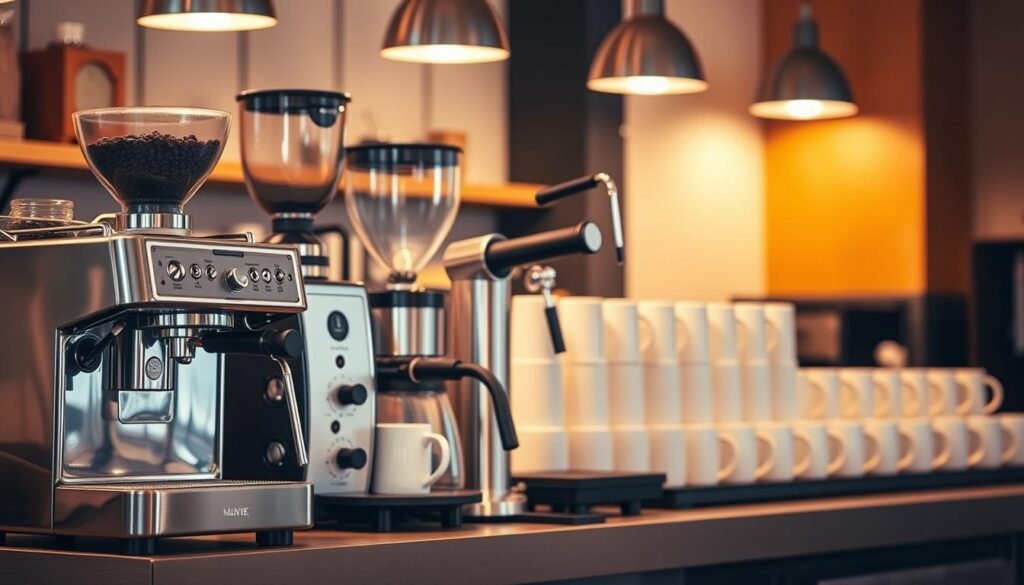
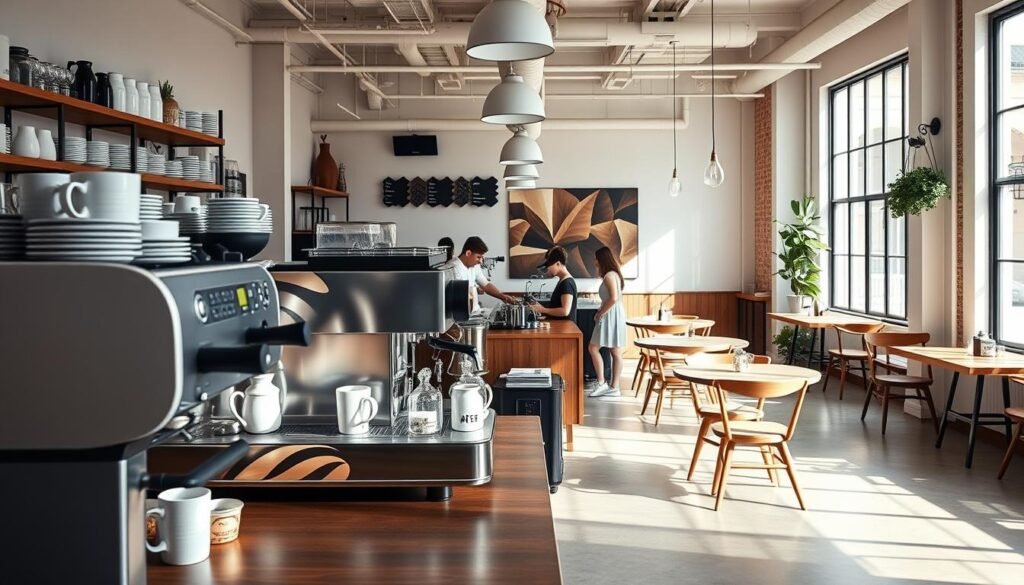
I prioritize reliable core gear so the first weeks run without costly downtime. I budget a mid‑tier espresso machine that has parts and service nearby and pair it with a grinder sized for my expected volume.
Brewers and grinders handle morning peaks. I pick a batch brewer for drip service and a quality burr grinder for espresso. Entry commercial machines start around $2,000, grinders $500–$2,500, and brewers can range widely.
Cold storage and water essentials
Refrigeration must fit milk, alt‑milks, and pastry stock. Costs vary by size; smaller units start near $1,500. I install a water filtration system up front—typically $500–$3,000—because better water protects equipment and lifts flavor.
New, used, or leased?
New gives warranty and lower short‑term risk. Used cuts costs but can add repair expenses. Leasing preserves cash flow and often bundles service.
“Start lean: core espresso, grinder, batch brewer, fridge, filtration, POS — add a second grinder and specialty gear after sales justify them.”
- I factor installation, parts, and smallwares into initial costs so expenses don’t surprise me.
- I size gear to my location and space so workflow stays tight during service.
- I choose POS hardware and software that scale with reporting and inventory needs.
Initial Inventory and Supplies That Keep Drinks Flowing
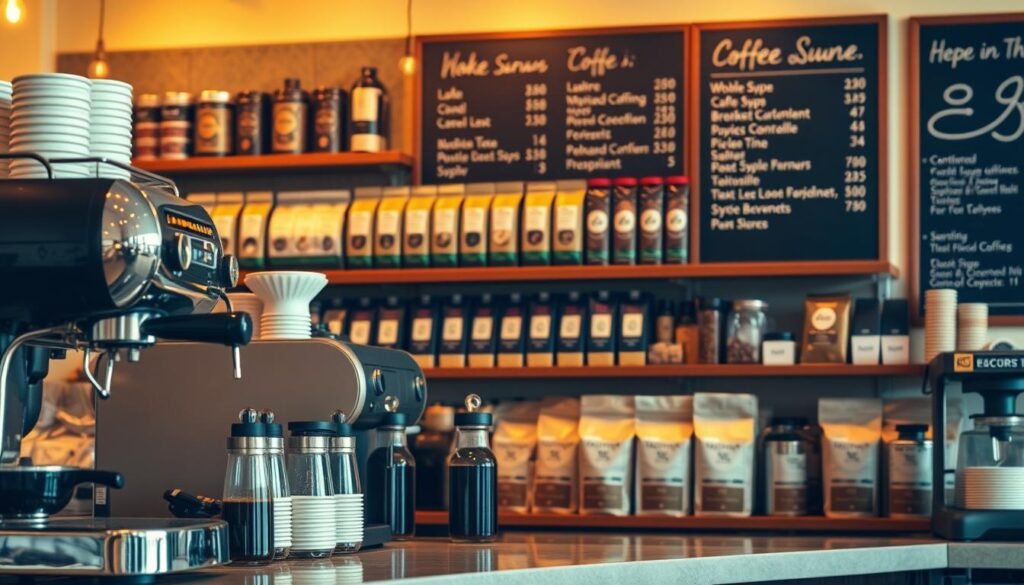
Stocking the right basics keeps service smooth during that frantic first month. I budget my first month of beans around $1,000 and watch daily pull rates so I can adjust quickly. Whole milk runs about $4.10–$4.40 per gallon; plant milks cost more, so I set par levels and track substitutions.
I buy five core syrups—vanilla, caramel, chocolate, plus two seasonal—and start small on sweeteners and tea. Paper cups and lids give price breaks at 1,000 counts; sleeves add branding without big expense. I also invest in a modest set of reusable ware for dine‑in service.
FIFO matters. I run weekly audits, lock pricing with reliable suppliers when possible, and prefer vendors with fair minimums and steady delivery windows. That reduces waste and shields margins from commodity swings.
- I match food items to my equipment and staffing so food costs stay tight.
- I calibrate reorders by weekday versus weekend patterns to avoid overstock.
- I monitor bean price moves and plan contract holds for protection.
For a practical launch checklist and reference on initial capital, see this startup cost guide.
Permits, Licenses, Insurance, and Compliance I Budget For
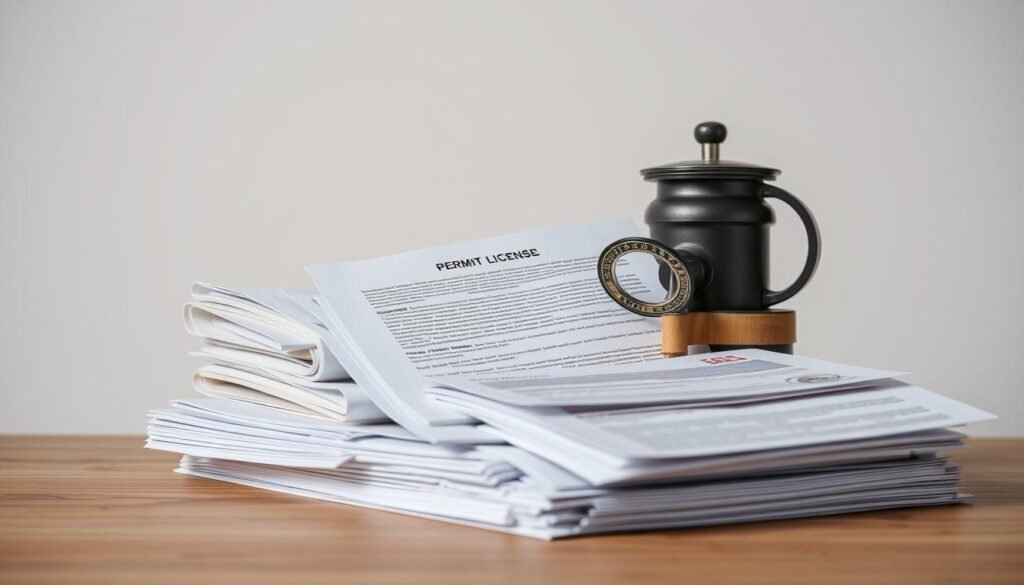
I start compliance work early because approvals can take longer than construction. I register the business and request an EIN right away—EIN is free from the IRS—so hiring and taxes don’t stall hiring or payroll setup.
I budget forming fees ($200–$1,000) and a business license ($50–$500). Food service and health approvals typically run $100–$1,000 and a certificate of occupancy is required before opening.
Music and liquor choices
I plan music licensing (ASCAP/BMI) when I play songs; expect $100–$500 per year. I only pursue a liquor license if it fits my brand and model, since state fees range from $300 up to $14,000.
Insurance and security
Core insurance: general liability, property, and workers’ comp—budget $1,000–$2,000 annually. I also install cameras, alarms, and good lighting to protect staff and equipment.
“Build a compliance calendar so renewals never overlap busy months.”
| Item | Typical Range | Required | Notes |
|---|---|---|---|
| Business formation | $200 – $1,000 | Yes | Includes state filing fees |
| Food service / health | $100 – $1,000 | Yes | Schedule inspections early |
| Music / sign / liquor | $100 – $14,000 | As applicable | Based on local rules and brand |
| Insurance | $1,000 – $2,000 / year | Recommended | Protects operations and assets |
I confirm water backflow, grease trap, and ADA checks early so permits don’t delay the opening. For a practical staffing and scheduling guide that ties licensing timelines into labor planning, see this staffing and opening timeline.
Labor, Payroll, and Prime Cost Targets That Keep Me Profitable
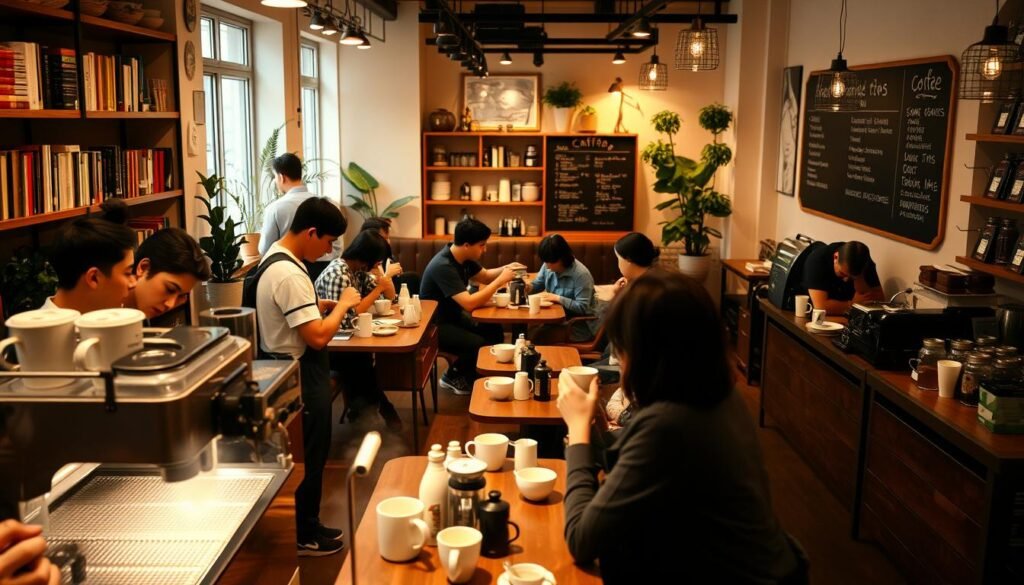
Labor decisions set the rhythm of daily service and shape long‑term costs. I model labor early so payroll fits realistic sales and customer patterns. That keeps operating expenses predictable and staffing efficient.
Barista wages, taxes, benefits, and training timelines
I budget entry wages near $16 per hour and add 7.65% payroll taxes. I build a short training plan so new hires reach steady service in weeks, not months. Benefits and small incentives help retention and reduce churn.
Prime cost benchmarks: food + labor at 60%-65%
Target: food plus labor around 60%–65% of sales. I keep a lightweight menu early so food costs stay tight while volume grows. I review prime cost weekly and adjust pricing, portions, or shifts when needed.
Scheduling, cross‑training, and incentives to control labor %
I schedule by daypart and season, cross‑train register, bar, and simple food prep, and use incentives tied to ticket times and upsells. During holiday months I trim overstaffing based on realistic traffic forecasts.
POS, Tech Stack, and Operating Expenses I Plan Month to Month
I set monthly tech and overhead targets so reporting highlights problems before they hit cash flow.
Point of emphasis: choose a POS with strong reporting that shows top sellers, peak hours, and labor versus sales. I budget hardware around $800–$1,000 per terminal and software near $60–$250 per device per month. That reporting guides scheduling and ordering every month.
Utilities, internet, cleaning, and maintenance
I map utilities by meter and plan electrical setup costs up front. Big wiring or venting work can run thousands; then I target monthly bills near $1,000–$1,200 and cut waste with efficient equipment.
I negotiate commercial internet that supports POS, Wi‑Fi, and music. I stock cleaning and office basics and track reorders so small supplies don’t balloon into unexpected expenses.
Marketing, branding, and inventory controls
I build a fast, mobile website and focus local SEO plus Google Business Profile for discovery. Early marketing runs $200–$500 per month across social, email, and neighborhood partnerships.
Operational habits I follow:
- Use POS inventory counts and SKU numbers for par levels and reorders.
- Standardize cups and labels to reduce picking errors during rushes.
- Set a maintenance calendar for espresso machines, grinders, and refrigeration.
| Item | Typical Cost | Monthly Impact |
|---|---|---|
| POS hardware | $800 – $1,000 per terminal | One‑time; amortize over life |
| POS software | $60 – $250 per device / month | Directly affects margins |
| Utilities setup & monthly | $6,000–$10,000 setup; $1,000–$1,200 monthly | Major fixed overhead |
| Website & marketing | $1,000 – $10,000 build; $200–$500 / month | Drives discovery and sales |
“Good tech and strict small spend controls let me scale sales without surprise costs.”
Funding the Plan and Forecasting ROI Over the First Two Years
I treat the first two years as a staged experiment, funding each phase so growth can be measured and corrected.
Financing routes and trade-offs
SBA and bank loans offer low rates and longer terms but take longer to close. Investors or crowdfunding move faster but dilute control. Equipment financing preserves cash for inventory and early rent.
Break‑even and timeline targets
I model break‑even by combining rent, wages, COGS, average ticket, and daily transactions. With disciplined operations many concepts hit profitability in 12–24 months.
Low‑capital tests
For lower risk I consider carts, pop‑ups, or subleases. These let me validate customers, menu items, and demand before larger startup costs.
- I compare cost open coffee against projected sales and runway.
- I keep a 3–6 months cash buffer for slow months.
- I pace inventory and syrups to actual sales to avoid tied up capital.
- I align funding with vendor deposits and opening coffee timeline.
| Option | Typical terms | When I choose it |
|---|---|---|
| SBA / bank loan | 5–10 year term; lower rate | When I want lower monthly burden and keep control |
| Investors / equity | Variable; faster capital | When speed and growth funding beat dilution concerns |
| Crowdfunding | Pre‑sales or rewards; no equity | When community interest can fund opening |
| Equipment finance | 2–5 year leases; preserves cash | For espresso, grinders, and major coffee shop equipment |
“Match funding size to location and rent so the plan keeps runway and momentum.”
Conclusion
I finish by summarizing the financial picture and the control points that actually change outcomes.
I face typical total ranges of roughly $80,000–$400,000+ depending on model, finish, and location. I focus on three levers: location, scope, and core equipment. Those choices move the biggest costs and the timeline toward break‑even in 12–24 years.
My phased plan is simple: essentials first, nice‑to‑haves later, and weekly numbers guide each purchase. I schedule first inventory and cups reorders by real week‑over‑week movement so cash stays flexible.
I start permits and licenses early, track renewals, and monitor rent, food, and labor monthly so small issues don’t grow. I also pay attention to water quality, machine maintenance, and cleanliness because product uptime wins repeat visits.
For a deeper economics primer on owning this type of business, see this economics of owning a coffee shop.
FAQ
What total range should I expect for startup costs?
I plan for a wide range—typically between ,000 and 0,000 or more—because location, build‑out, equipment quality, and whether I open a kiosk, sit‑down café, drive‑thru, or franchise all drive the total. I always include a contingency fund for unexpected expenses.
How do I choose the right business model?
I weigh up foot traffic, rent, staffing needs, and my growth plan. A kiosk or cart has lower rent and fast validation. A sit‑down café requires more seating, staff, and design spend. Drive‑thru units need more capital but can deliver higher volume. Franchises bring brand support but higher upfront fees.
What key costs are included in my budget framework?
I separate fixed costs (rent, leasehold improvements, equipment) from variable costs (beans, milk, cups, utilities). I add a contingency of 10%–20% and keep an emergency cash buffer to cover several months of payroll and rent while I ramp sales.
How much does location and build‑out typically cost?
Rent and deposits vary widely by U.S. market. Renovations can run ,000–,000 for light work; full construction or major gut jobs can hit six figures. I negotiate tenant improvements and rent concessions to reduce initial cash outlay.
How can I control design and interior costs per square foot?
I focus spend where customers experience value: comfortable seating, efficient workflow, and strong lighting. I reuse durable fixtures, buy select custom pieces, and limit expensive finishes. A measured design plan keeps costs predictable.
What signage and exterior investments should I prioritize?
I invest in clear, visible signage and good exterior lighting first. Wayfinding and a readable storefront convert walk‑bys. I avoid costly façade overhauls early and test branding on lower‑cost materials until traffic proves the concept.
Which equipment do I need day one and which can wait?
I prioritize a reliable espresso machine, quality grinder, and brewers. Cold storage, water filtration, and dishwashing are essentials for safety and taste. I defer specialty machinery—like nitrogen taps or secondary ovens—until sales justify upgrades.
Should I buy new, used, or lease equipment?
I weigh warranties and downtime risk. New equipment gives reliability and service plans; used lowers upfront cost but may need maintenance. Leasing preserves capital and matches payments to revenue growth. I calculate total cost of ownership before deciding.
What does a starter setup for a lean menu look like?
I build a compact menu around espresso, brewed coffee, a few milk options, simple pastries, and grab‑and‑go items. That minimizes kitchen equipment, inventory SKUs, and training time while allowing upgrades as sales increase.
What initial inventory and supplies should I stock?
I keep fresh coffee beans, a small selection of teas, milk and plant‑based alternatives, syrups, sweeteners, and single‑use and reusable cups, lids, sleeves, and napkins. I order sensible par levels to avoid waste and plan weekly deliveries early on.
How do I manage bulk buys and price volatility?
I use FIFO stock rotation, negotiate volume pricing with roasters or distributors, and keep contracts that allow flexibility. I monitor commodity trends and build price buffers into menu margins to handle short‑term cost spikes.
What permits, licenses, and insurance must I budget for?
I budget for a business license, EIN setup, local food service permit, and certificate of occupancy. If I play music or serve alcohol, I add licensing costs. Insurance—general liability, property, and workers’ comp—is essential to protect my investment.
When are music and liquor licenses required and what do they cost?
I check local rules: performance rights licenses apply if I stream music for customers. A liquor license depends on state and local jurisdictions and can be costly or limited. I factor permit timelines and fees into opening schedules.
How do I plan labor, payroll, and prime cost targets?
I set barista wages, payroll taxes, and modest benefits into the budget. I aim for prime costs (food plus labor) near 60%–65% of sales and use scheduling, cross‑training, and incentives to keep labor efficient as volume grows.
What payroll and training timelines should I expect?
I allow several weeks for hiring and basic training, plus ongoing shifts for skills like latte art and POS operations. I build training costs and initial hourly wages into my opening cash needs to avoid shortfalls.
What POS and tech stack do I include in monthly ops?
I invest in reliable POS hardware, cloud software with reporting, and integrations for accounting and inventory. Monthly subscriptions, payment processing fees, and hardware warranties are regular expenses I track closely.
Which monthly operating expenses are often overlooked?
Utilities, high‑speed internet, cleaning services, office supplies, maintenance, and waste disposal add up. I also budget for marketing—website hosting, social media ads, and local launch events—to keep customer flow steady.
What funding options should I consider?
I explore SBA loans, traditional bank loans, equipment financing, private investors, and crowdfunding. I match the funding mix to my risk tolerance, timeline, and the level of control I want to keep.
How quickly can I expect to break even?
My break‑even timeline varies, but many small cafés reach profitability in 12–24 months with disciplined cost control and steady customer growth. I run conservative sales scenarios and ensure cash buffers cover slow months.
Can I start with low capital and test demand?
Yes. Carts, pop‑ups, and short‑term subleases let me test menus and locations with lower upfront investment. I use those tests to validate concept, refine pricing, and gather customer feedback before committing to a full build‑out.